What are tea leaves, really?
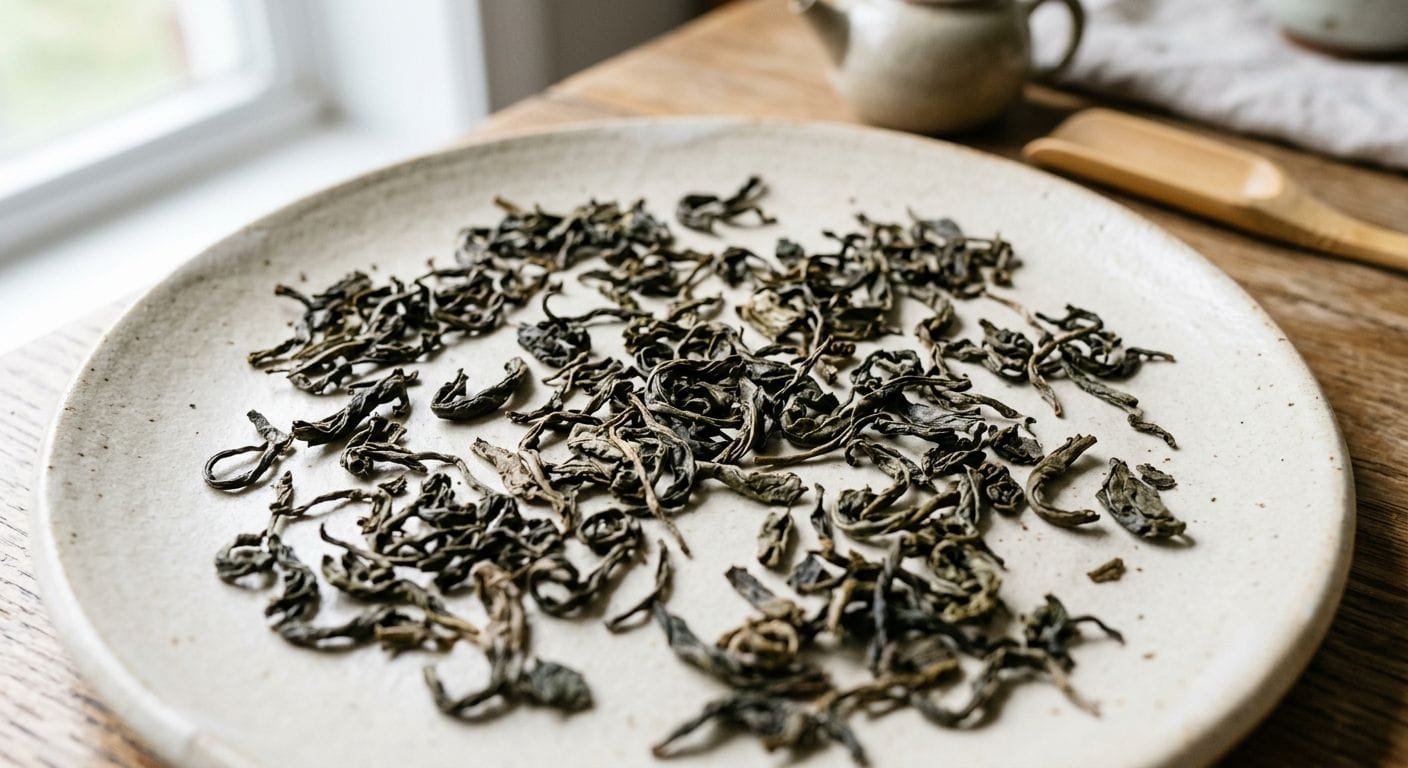
True tea leaves come from the Camellia sinensis plant, while herbal "teas" are made from other leaves, flowers, roots and fruits. The way leaves are picked, withered, rolled and dried decides whether you end up with a green, black, oolong or white tea, all from the same plant.
Whole, intact leaves hold onto their essential oils and delicate compounds far better than the crushed dust found in most supermarket bags. That's why loose whole leaves tend to taste rounder, fresher and more layered in the cup.
Why leaf quality changes the cup
Leaf grade, harvest timing and freshness all shape the final flavour. Younger buds and top leaves generally carry more sweetness and complexity, while broken lower leaves brew stronger and more briskly.
At OzTea we blend with whole leaves and generous botanicals so the character of each ingredient can shine. It's a small difference in the jar that makes a big difference in the mug.
Getting the best from your leaves
Give tea leaves room to unfurl. A roomy infuser, teapot or basket lets water circulate around the leaves so they can fully open and release their flavour, rather than staying cramped and under-extracted.
Store your leaves somewhere cool, dark and airtight, away from strong smells. Tea readily absorbs aromas, so keeping it sealed protects the flavour you paid for.
Frequently asked questions
- Are tea leaves and herbal tea the same thing?
- Not quite. Genuine tea leaves come from the Camellia sinensis plant, while herbal blends are made from other plants like chamomile, peppermint or rooibos and are naturally caffeine-free.
- Are whole tea leaves better than tea bags?
- Whole loose leaves generally brew a fresher, more flavourful cup because they keep their essential oils intact and have room to expand fully in the water.
- How long do tea leaves stay fresh?
- Stored in an airtight container away from light, heat and moisture, most tea leaves keep their best flavour for around 12 to 18 months.
- Can I reuse tea leaves for a second brew?
- Yes. Many quality loose leaves, especially oolong and green teas, can be steeped two or three times, with each infusion revealing slightly different notes.