What does 'red tea' actually mean?
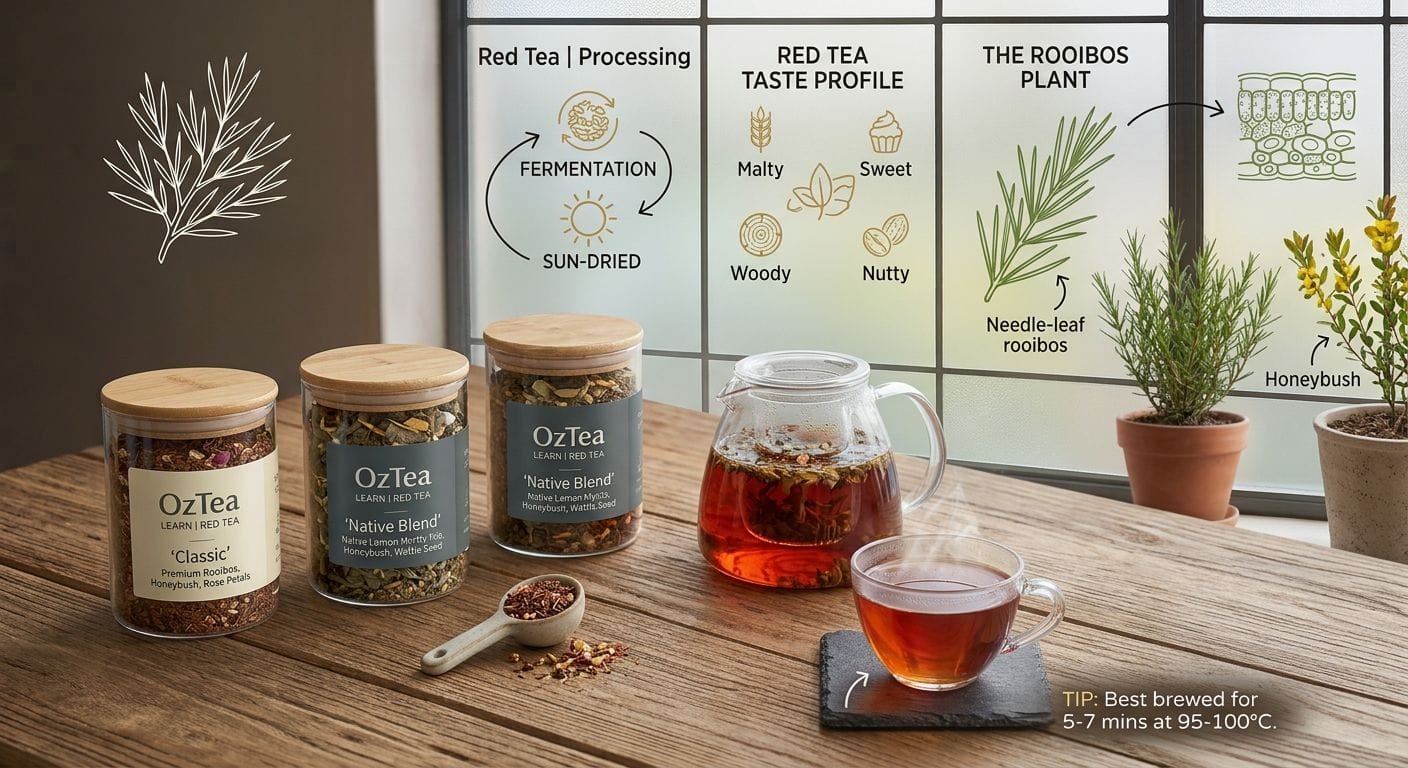
In most Western contexts, red tea refers to rooibos, a herbal infusion made from a South African shrub. It brews to a deep reddish-amber and has a smooth, naturally sweet, slightly nutty flavour with no caffeine.
Confusingly, in China the term red tea (hong cha) is used for what English speakers call black tea. So it helps to know the context, but if someone offers you a caffeine-free red tea, they almost certainly mean rooibos.
Why rooibos-style red tea is so popular
Red tea's appeal lies in its versatility. It is naturally caffeine-free, so it suits any time of day, and its gentle sweetness means it is pleasant on its own or with a splash of milk.
It also takes beautifully to blending. Paired with vanilla, citrus, spices or berries, rooibos becomes the base for warming, comforting cups. OzTea's herbal range explores exactly these kinds of characterful, caffeine-free blends.
Brewing a great cup of red tea
Rooibos is wonderfully forgiving. Use freshly boiled water and steep for around five to seven minutes, and because it contains no tannins it will not turn bitter even if you forget it for a while.
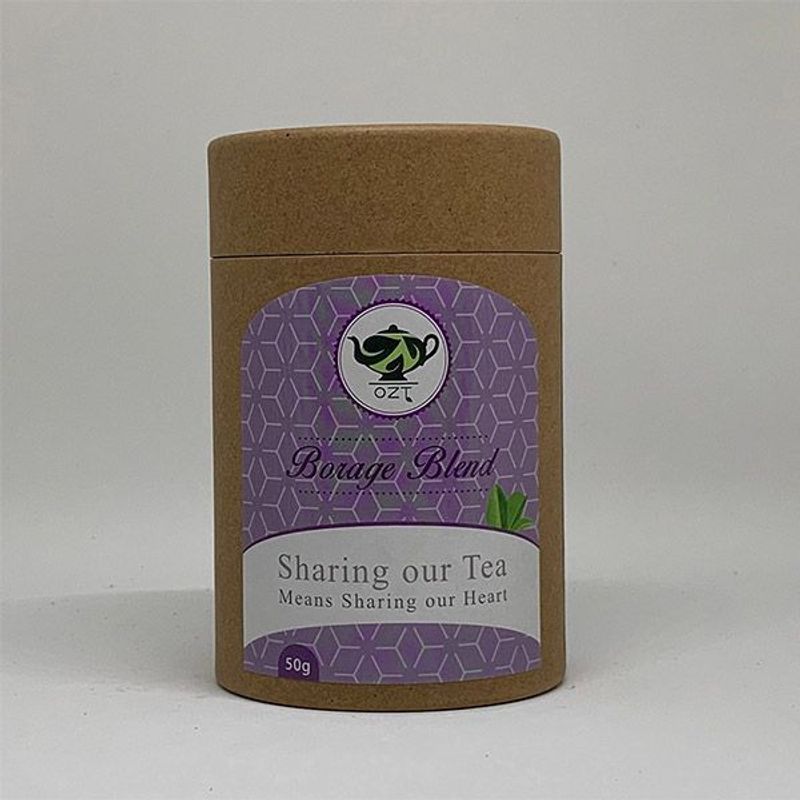
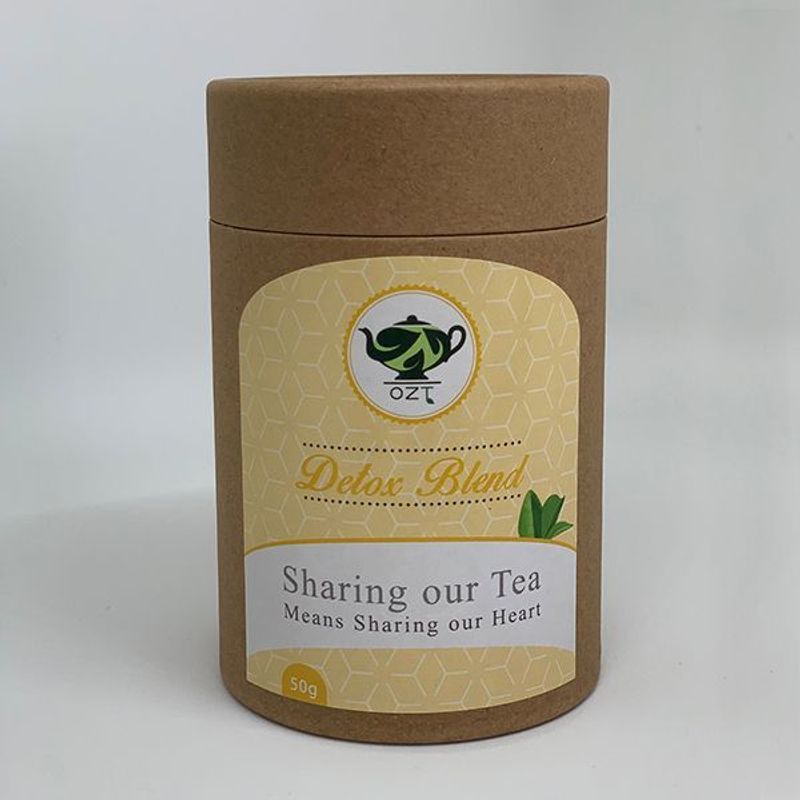
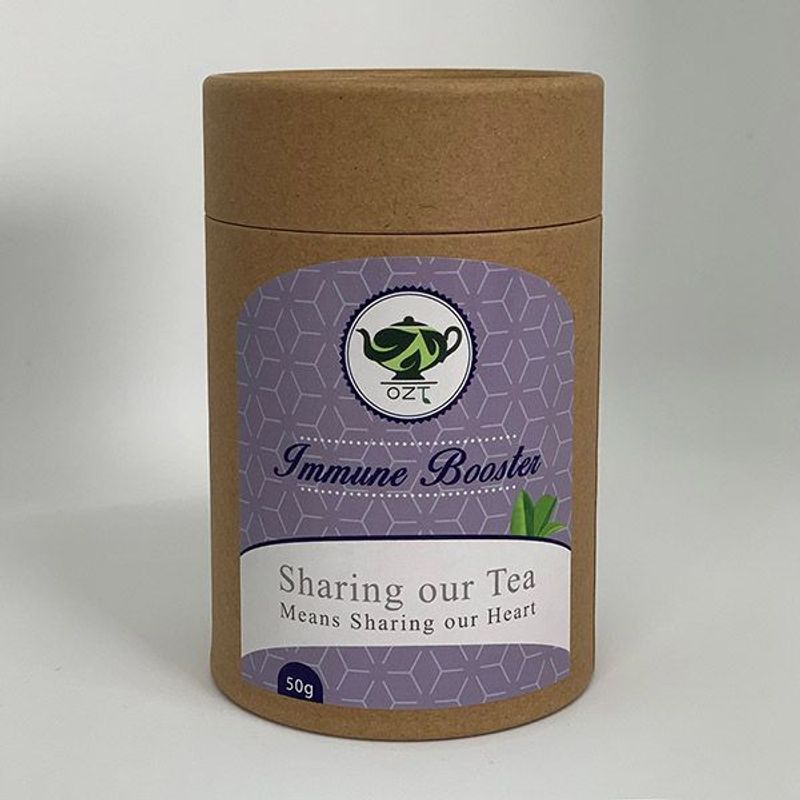
Start with a 10g sample to see how you like it, plain or with milk, then keep a 50g pack on hand for everyday drinking. The recyclable kraft packaging helps it stay fresh between cups.
Frequently asked questions
- Is red tea the same as rooibos?
- In most cases, yes. Red tea usually refers to rooibos, a caffeine-free South African herbal infusion, though in China the term can mean black tea.
- Does red tea contain caffeine?
- Rooibos-style red tea is naturally caffeine-free, which is a big part of its appeal for evening and all-day drinking.
- What does red tea taste like?
- Rooibos has a smooth, mellow flavour that is naturally a little sweet and nutty, and it brews to a warm reddish-amber colour.
- Can you drink red tea with milk?
- Yes. Rooibos is lovely on its own or with a splash of milk, and its gentle sweetness means it rarely needs added sugar.