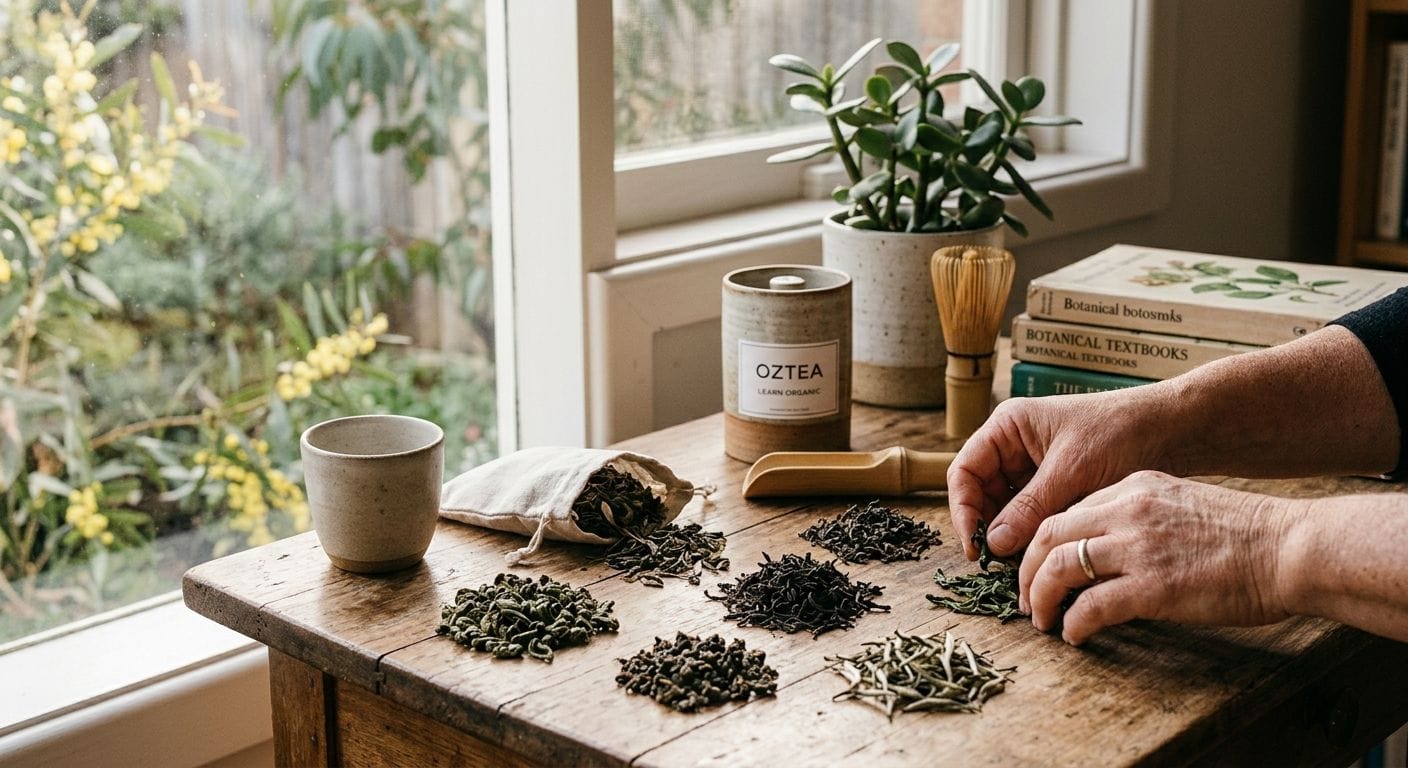
What organic tea actually means
Organic tea is grown without synthetic pesticides or artificial fertilisers, relying instead on natural methods to nurture the plants and soil. Certification schemes set standards that farms must meet to use the label.
For many people, choosing organic is about supporting growing practices that are kinder to the land and the people who work it. It reflects a preference for how the tea is made, as much as what ends up in the cup.
Does organic tea taste different?
Flavour depends on far more than certification alone. The variety of plant, where it's grown, when it's harvested and how carefully it's processed all shape the taste in the cup, often more than the growing method itself.
What matters most is quality and freshness. Whole loose leaves, well stored and thoughtfully blended, will reward you with better flavour whether or not they carry an organic stamp.
How to shop thoughtfully
If organic certification is important to you, look for clear labelling and information about where and how the tea is grown. Reputable sellers are happy to be transparent about their sourcing.
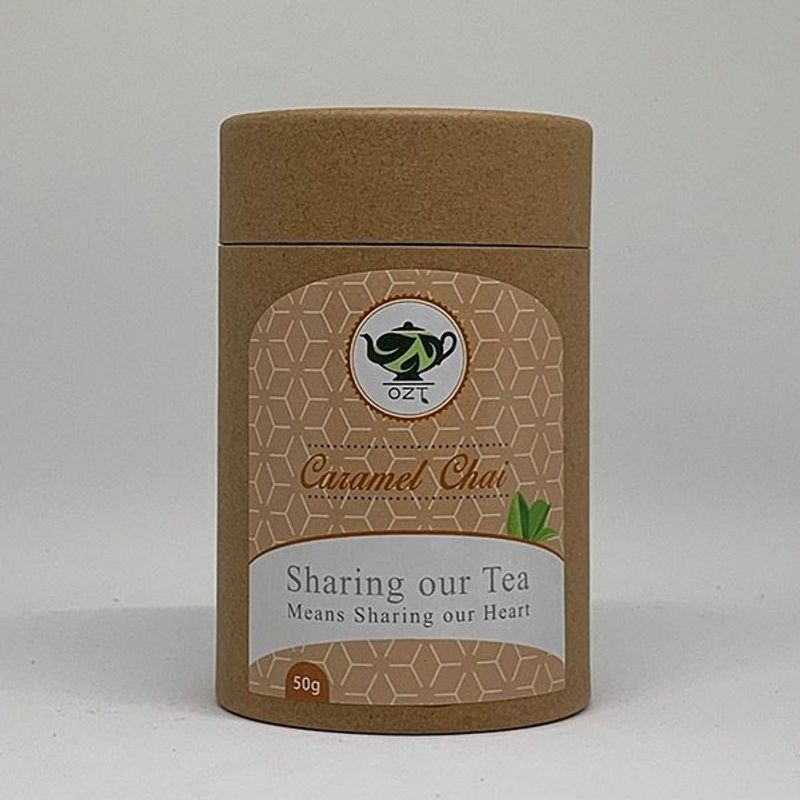
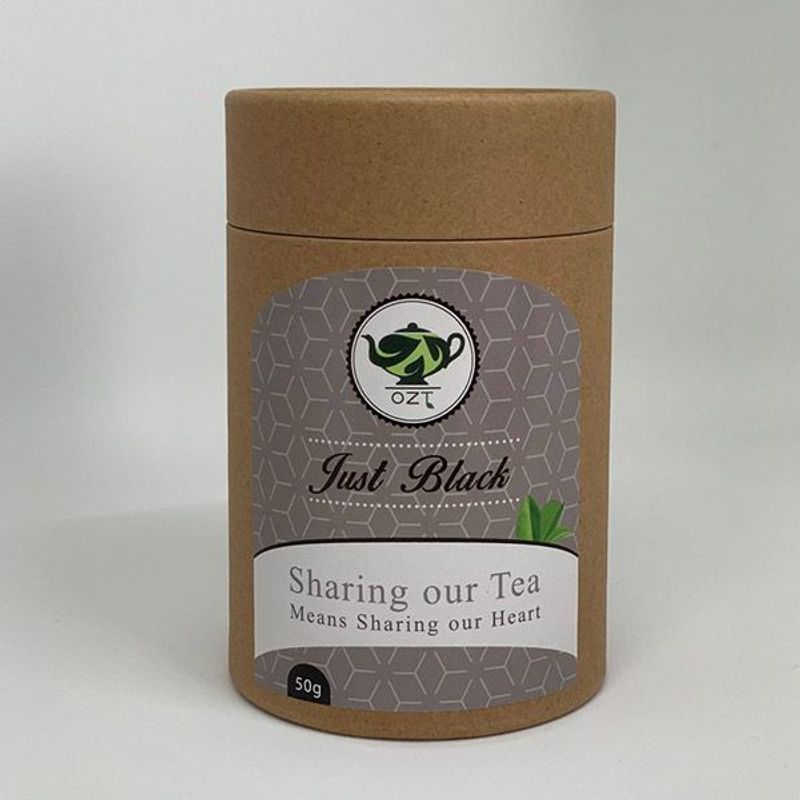
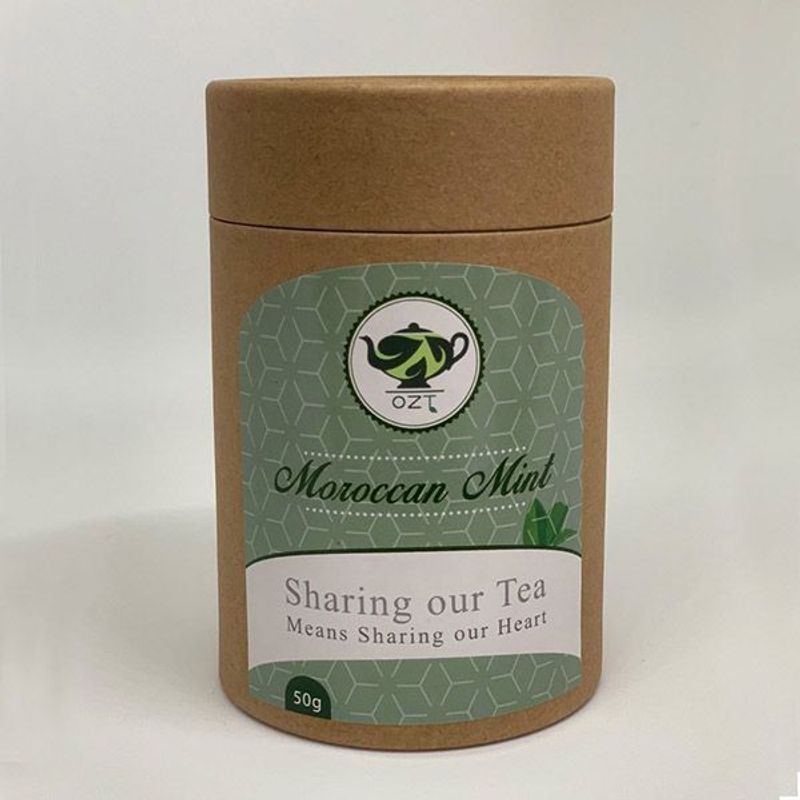
At OzTea we focus on quality ingredients, honest packaging and blends we're genuinely proud of. Our biodegradable, recyclable kraft packs reflect our care for the environment right through to what lands on your doorstep.
Frequently asked questions
- What does organic tea mean?
- Organic tea is grown without synthetic pesticides or artificial fertilisers, using natural methods, and certified brands must meet defined standards to use the label.
- Is organic tea healthier than regular tea?
- Organic refers to how the tea is grown rather than a guaranteed health benefit, so it's best seen as a choice about farming practices and sourcing values.
- Does organic tea taste better?
- Taste depends mostly on the plant, terroir, harvest and processing, so freshness and quality matter more than certification alone when it comes to flavour.
- How can I tell if a tea is genuinely organic?
- Look for clear certification and transparent sourcing information from the seller, as reputable brands are open about how and where their tea is grown.